
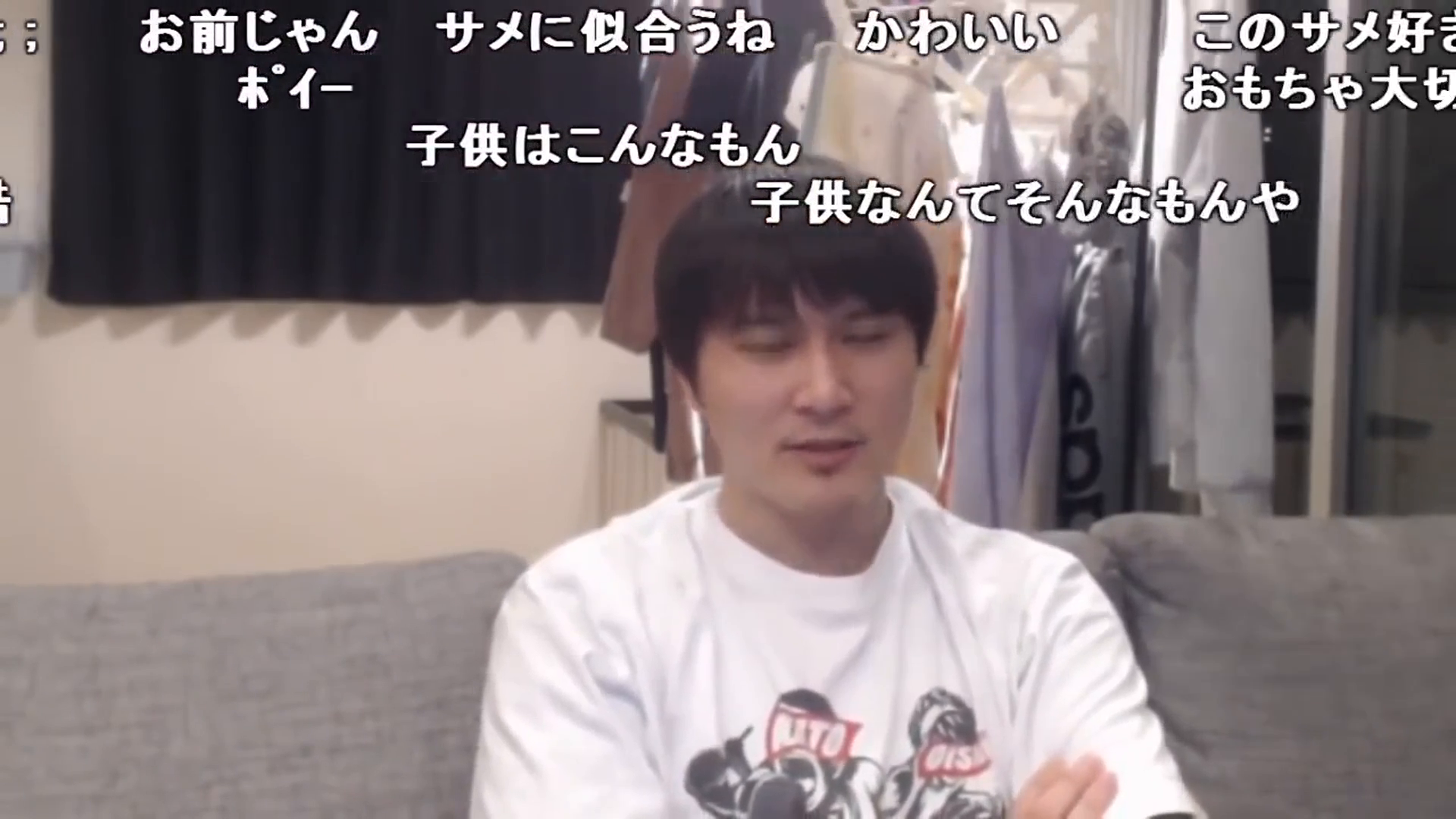
An enthusiastic defense of the first film, starting with a quiz
The published clip opens with a Toy Story quiz: what must toys never do in front of people? Kato announces that anyone who gets every answer right wins a blown kiss from him, joking about the prize before he even discusses his favorite work. After confirming the answer—moving in front of people—he calls the film a five-star masterpiece. He likes that Woody’s jealousy of a new toy makes him look human despite being a doll.
“Woody getting a little jealous is cute too. He’s a doll, but a little human.”
Children are not depicted too perfectly
One thing Kato likes about the first film is that children are not tidied up as purely good beings. Children sometimes mistreat toys. Yet, he says, being played with by children is almost the toys’ reason for living. So as children grow up and stop playing with toys, he feels sadness as well as joy. His view moves from judging children’s behavior to the sense that the time toys are played with cannot last forever.
“But for the toys, being played with by those kids is like their reason for living.”
Buying a toy for his nephew reminds him of Woody
The children’s growth in the film connects to Kato’s own memories. He says that when he buys a new toy for his nephew, he thinks of the film.
“When I buy my nephew a new toy...”
“I always think of Woody from Toy Story.”

In the same burst of enthusiasm, he says Toy Story makes him want to go to America. He had never wanted to go before, but watching the film changes how he feels—a detour sparked by talking about the work.
Buzz’s heartbreak and why Woody is the leader
The topic moves to the scene where Buzz realizes he is a toy. Kato feels sorry for Buzz and says he understands, then veers into an unexpected claim.
“I’m more Pixar than Pixar, you know. The soul I carry.”
After watching heartbroken Buzz with some laughter, he says it would not feel right unless Woody were the leader, and likes how they try to go together. He finds the character’s disappointment amusing yet ultimately likes the group coming together. He concludes that children who watch will want to treasure their toys, bringing his assessment of the film together with his own view of toys.
He loved it so much he queued for four hours
Specific memories of his affection continue after the first-film discussion. Kato recalls queueing about four hours at Disneyland for the Buzz Lightyear attraction, though he thought it was not his usual style.
“I loved it so much that, even though it’s not my style, I went to Disneyland and queued four hours for that Buzz Lightyear ride.”
The published video then joins a discussion from another stream. He suggests watching Toy Story 3 with viewers and even proposes splitting the screen into small sections to show participants. From watching together, he quickly moves to the awkwardness of showing his face, then jokes about how he wants to be seen crying at a film. While discussing what he likes, he also makes a joke of how others see him.
“I don’t want people to think I’m a guy who cries watching Anohana.”
“But I do want them to think I’m a guy who cries watching Toy Story 3.”
Through the second film to the farewell in the third
Kato says the second film was interesting, but he surprisingly had fewer chances to see it. He reveals that he has rewatched the first and third many times. Still, he says the series becomes even more interesting in the second and third, while the fourth has a different appeal. Rather than merely ranking them, he distinguishes how often he revisited each and the feel of each film.
He rates the third as perfect because the first two exist. In particular, the scene in which grown-up Andy goes to college and takes his toys to a neighborhood child stays with him. He even considers that the next child may not play with them in the same way, refusing to reduce the end of Andy’s relationship with his toys to a simple change of owner. He follows the ending’s flow to explain why the third film affects him so strongly.
The fourth is “independence”; the fifth helps him reconcile with Jessie
Because the third film feels so complete, expecting the same from a sequel can make the fourth hard to view fairly. Kato acknowledges that feeling but says he found the fourth interesting too. He wants to revisit it once his memory fades, treating it as a film with its own appeal rather than an overwrite of the third. He says he sensed a theme of “independence” in it.
He then says that after seeing the fifth, he rewatched the third and cried again. He restates why he rates it so highly: the last five minutes are especially powerful. He also brings up how he once disliked Jessie in the third, and jokingly says the fifth changed his feelings and let him finally make peace with her. Rather than ending his impression of the fifth in a word, he describes it as a film that changed a long-held complaint about a character.
Changes across the films, seen by someone who grew up with them
Wrapping up, Kato calls himself part of the Toy Story generation. The time when children who saw the first film grew up overlapped, he says, with Andy growing up, going to college and saying goodbye to his toys. In his account, the third leaves an impression of farewell, the fourth of growth, and the fifth of warmth and kindness to children. The discussion follows memories from the first film and gathers into changes he felt across the series. Crying again at the third after seeing the fifth also belongs in his account of growing up alongside the films.
His preference for dubbing and an exaggerated final score
His affection for the films remains through the end. Although he does not usually watch dubbed versions, he says Toy Story alone must have Woody and Buzz’s familiar Japanese voices.
“I can’t watch unless Buzz and Woody are voiced by George Tokoro and Toshiaki Karasawa.”
He then scores the films, giving the third an extraordinary 1.2 billion points while recommending the fourth, fifth, first and second as enjoyable too. The huge gap between the third’s score and his recognition of the other films’ appeal makes his favoritism funny.
“Four gets 80, three gets 1.2 billion. Three is just that good.”
He ends by asking Pixar to hurry up and make a sixth.
Watch the video
A video collecting Junichi Kato’s Toy Story talk.
Source streams
| Sources | Original streams |
|---|---|
| Stream 1 | Open the original stream ↗ |
| Stream 2 | Open the original stream ↗ |
| Stream 3 | Open the original stream ↗ |
| Stream 4 | Open the original stream ↗ |
| Stream 5 | Open the original stream ↗ |
Scope of caption and timestamp checks
The article’s published-clip links point to positions in public video yD9aU4HpxPU. Wording follows its published captions. Independent checks of original audio and speakers are incomplete.
The original-stream list at the end links to related streams; it does not claim the clip’s timestamps are the times in each original stream. Original audio for automatic captions used in supplementary research is unverified.